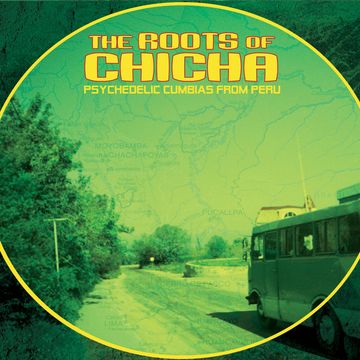

Peruvian chicha is not just a style built on fuzz guitars or Casio keyboards. It is also the sound of millions of people who came to Lima from the Andes and the Amazon between the 1960s and the 1980s, faced discrimination every day and built a culture of their own in dance tents, markets and neighbourhood radio. Understanding that social history is essential if you want to hear Los Demonios del Mantaro, Los Shapis or Chacalón in the context they deserve.
The migration that reshaped the capital
Between 1960 and 1980, Lima grew faster than its institutions could cope with. Families from Junín, Ayacucho, Apurímac, Cajamarca and the Amazon settled on hillsides without basic services, worked in construction, street trading and transport, and brought huaynos, cumbias and provincial festivals with them. The official city — the one of black-and-white television, Miraflores society pages and a Europe-facing press — offered them no representation.
Music filled that gap. Not as naive escapism, but as a space where migrant identity could assert itself without translation. In that sense, chicha worked as the emotional archive of a Peru that never made the evening news: the shared minibus, the queue for water, the first job, homesickness for the village and the urge to dance even through blackouts.
«La Chichera» and the Andean roots
One early date sheds light on how the term entered the record business: the mid-1960s (sources give 1965 or 1966), when Carlos Baquerizo Castro and Los Demonios del Mantaro recorded «La Chichera». The song portrayed, with irony and tenderness, the street vendor of the fermented drink, a figure associated with the Andes and with working-class life. What we now call chicha was rooted in the central highlands before it blended with electric Amazonian cumbia and Lima’s urban arrangements.
That lineage corrects the accounts that reduce the genre to Pucallpa or Moyobamba alone. Chicha is hybrid by definition: jungle, highlands and city in a single story. The labels Infopesa and Discos Horóscopo documented different stages of that hybrid, each with its own audience geography.
«Music for cholos» and middle-class contempt
For decades, Lima’s middle- and upper-class press treated chicha as an inferior product: too simple, too loud, too «chola». The label — cholo, chola — was an insult in the mouths of those who used it to draw a racial and cultural line. In the mouths of migrants and their children, however, it became a badge of belonging.
Sociologist Wilfredo Hurtado Suárez documented that tension in his book Chicha peruana: música de los nuevos migrantes, a reference work for anyone who wants to move past metaphor into data, interviews and analysis of the informal music industry. Hurtado shows how the music accompanied the building of neighbourhoods, the economy of the dance tents and the politics of taste in a deeply unequal country.
Shining Path, fear and the dance tent as refuge
The 1980s added a layer of extreme violence. The presence of the Shining Path and the state’s response transformed daily life in Lima and in the provinces. In that setting, chicha parties were anything but trivial: they were spaces for living together in a fractured country. Dancing did not cancel out fear, but it offered hours of collective agency.
Groups such as Los Shapis, Chacalón and dozens of less-remembered bands kept up their concert calendars in difficult conditions. The music did not stop the war, but it sustained community networks and shared memory. That is why talking about resistance here is not empty rhetoric: it is recognising that popular culture survived when other institutions failed.
Cholo pride and global rediscovery
In the 1990s and 2000s, as Amazonian chicha began to circulate on international compilations, part of the Peruvian public rediscovered it with renewed pride. What had once been «music for cholos» started to appear in specialist magazines, at festivals and on deluxe reissues. That shift did not erase the inequalities that gave rise to the genre, but it did change its symbolic status.
Today, contemporary artists cite chicha as a root without denying its class origins. The global conversation about psychedelic cumbia restored dignity to musicians who recorded with few resources and sold millions of copies without press coverage. The original resistance was local; the recognition came late, and partly from abroad.
The legacy
Listening to chicha without hearing the migration means listening to only half the record. From «La Chichera» to the Horóscopo dance tents, the genre tells the story of a Peru that moved, discriminated and reinvented itself with keyboards, guitars and simple choruses. Music is no substitute for politics, but it records with precision what the official reports left out: the strength of a city that learned to dance in its own language.