Infopesa did not invent the word «chicha»: the term was already circulating in music thanks to «La Chichera», recorded by Los Demonios del Mantaro in the mid-1960s, and only later became the name of a genre. But the Industria Fonográfica Peruana S.A., founded in 1971, did more than record the albums that defined the genre: it built the infrastructure that let Amazonian cumbia travel from the jungle to Lima, and from Lima to the world.
The origin: Lima, 1971
Infopesa was founded in Lima in 1971 by Alberto Maraví, a businessman with an eye for popular music and for the working-class market growing fast in the Peruvian capital. At the time, Lima was absorbing waves of migrants from the Andes and the Amazon, people who brought their own sounds and needed to see them reflected in the record market. Maraví understood that before anyone else.
The label ran a small plant in Lima, but its reach was national. Its distributors travelled to Iquitos, Pucallpa, Moyobamba and Tarapoto —the cities of the Peruvian Amazon where the new electric music was being born— and brought back recordings by the bands that played at patron-saint festivals, cantinas and street parties.
The Infopesa sound: cumbia + jungle + fuzz
What Infopesa captured on its recordings was not simply Colombian cumbia transplanted. It was a specifically Amazonian fusion: the rhythmic structure of cumbia, distorted electric guitars influenced by the psychedelic rock arriving on the radio from the United States and Mexico, and melodies that evoked the jungle —the river, the birds, ayahuasca.
The technical term would come later. For now, in Infopesa’s studios, it was simply called «tropical» or «Amazonian cumbia». Musicians came from working-class neighbourhoods and the provinces, recorded in quick, cheap sessions, and the records came out as 45s or LPs with covers printed in saturated colours that rivalled the psychedelia of the catalogue.
The artists: a canon built record by record
The Infopesa catalogue is, in effect, the canon of Peruvian chicha. Without it, today’s global conversation about psychedelic cumbia would not exist.
Los Mirlos were the label’s star act. Founded in 1973 by Jorge Rodríguez Grández, a musician from Moyobamba, they arrived in Lima with a sound no one had heard before: wah-wah and fuzz guitars over an unstoppable rhythm section, with lyrics about the river and the jungle. Their «La Danza de los Mirlos» became one of the most recognisable songs of the genre worldwide.
Juaneco y Su Combo, founded in Pucallpa by Juan Wong Paredes and led in their classic period by his son Juan Wong Popolizio, brought a different dimension: deeper Amazonian influences, stage outfits inspired by Shipibo-Conibo culture and lyrics about the jungle and its rituals. «Vacilando con Ayahuasca» and «El Brujo» are two of the recordings most sought after by collectors around the world.
The catalogue also includes dozens of artists less known globally but essential to understanding the breadth of the genre: Los Halcones de Pucallpa, Los Titanes de Pucallpa, Los Mirlos de Tarapoto —a constellation of bands that mapped the musical geography of the Peruvian Amazon.
Decline and rediscovery
In the late 1980s, economic crisis, political violence and piracy hit the Peruvian record industry. In 1989 Alberto Maraví shut Infopesa down as an active label, and the company turned to looking after and licensing its archive. The master tapes stayed in storage; the vinyl ended up in flea markets and private collections.
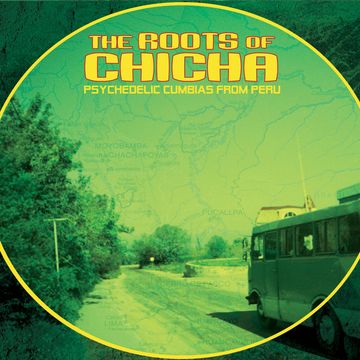
The rediscovery came from abroad. In 2007 the New York label Barbès Records released The Roots of Chicha, a compilation that brought the sound to audiences in Europe and North America. Anthologies followed from Vampisoul, Analog Africa and Tiger's Milk Records featuring material from Infopesa and other Peruvian labels, and since 2011 Infopesa itself has been reissuing its archive under Juan Ricardo Maraví, the founder’s son.
Los Mirlos themselves got a second act: they began playing world music festivals in Europe, recording with contemporary artists and being recognised as living pioneers of a genre that now has followers in Tokyo, Berlin and Buenos Aires.
The legacy
In hindsight, Infopesa is one of the most important record labels in Latin America —not because of its size or resources, but because of what it captured. The Amazonian-psychedelic sound its engineers recorded in modest Lima studios during the 1970s and 1980s is now an essential reference for any producer or artist working in cumbia, tropical bass or world music.
The full catalogue is still partly unavailable on legal streaming platforms —unfinished work that Infopesa and labels such as Vampisoul keep tackling one record at a time, with the blessing of the musicians and their heirs when they can be found.